GQ Editor who Pulled David Zaslav Story Is Producing Movie for Warner Bros.

The piece, which was written by freelance film critic Jason Bailey and slammed Zaslav as a Logan Roy-esque mogul, quickly disappeared from GQ’s website.
Meanwhile, a new, more friendly version popped up with a separate URL. That version, too, vanished not long after, leaving readers puzzled.
But did a GQ editor’s relationship with Warner Bros. play a role in the softening and ultimate removal of the story?
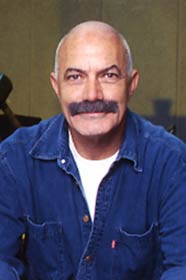
GQ editor-in-chief Will Welch is producing a movie at Warner Bros. titled “The Great Chinese Art Heist,” which is based on a 2018 GQ article by Alex W. Palmer.
Jon M. Chu (“Crazy Rich Asians”) is attached to direct and produce the film, which chronicles an audacious European museum crime wave that targeted Chinese antiquities.
The project has scrip in place by Ken Cheng, Jessica Gao and Jimmy O. Yang. Sources say Welch was involved in the discussions surrounding the removal of Bailey’s initial story and made the call to pull the revamped story, which ran some 500 words shorter than the published version. Those same sources say Warner Bros. Discovery complained about the initial story to two GQ editors, one of whom was Welch.
But a spokesperson for Warner Bros. Discovery offered a slightly different take.
“The freelance reporter made no attempt to reach out to Warner to fact-check the substance of the piece before publishing — a standard practice for any reputable news outlet,” the spokesperson said.
“As is also standard practice, we contacted the outlet and asked that numerous inaccuracies be corrected. In the process of doing so, the editors ultimately decided to pull the piece.”
Still, removing an entire story from a news outlet’s website would constitute an extreme action and is almost never done, except in the most egregious cases of journalistic malpractice. Even then, an editor’s note would typically appear when readers clicked on an excised story with an explanation of why it was killed.