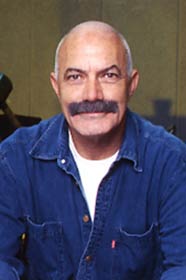
The Redgraves represent one of England's most renowned acting dynasties, so far consisting of five generations of players. Sir Michael Redgrave's grandfather and both of his parents were actors, and he was married to Rachel Kempson, known for her stage and TV work. All of Michael and Rachel's children, Vanessa, Lynn, and Corin pursued acting careers.
Oscar: Multiple Winners–Two or More Oscars
December 28, 2005 by
lifetime achievement. Yet considering the intensity of competition, the percentage of players who have received multiple awards is quite impressive: about 20 percent of all winners. As expected, the lead players have better chances than the supporting ones to win a second Oscar. Quite consistently, the Best Actresses enjoy the best prospects of winning a second Oscar: 30 percent, compared with 13 percent of the Best Actors.
Oscar: Ties–Actors–Wallace Beery and Fredric March
December 28, 2005 by
Oscar ties have been rare. Neither the Academy nor the filmmakers like the idea of sharing the coveted award. There have never been ties in the Best Picture category, and only two in the acting awards. The first tie was declared in 1932, when Wallace Beery (The Champ) and Fredric March (Dr. Jekyll and Mr. Hyde) split the Best Actor award. Beery came within one vote of March, and in those years, such a narrow margin qualified for a tie.
0 Oscar Actors: Ensemble Acting Vs. Individual Performances
December 28, 2005 by
Some of the best acting this year was in ensemble driven films, such as “Crash,” “Brokeback Mountain,” “A History of Violence,” and the musical “Rent.” Yet, the studios behind th4se film decide which individual performers to promote in their Oscar campaigns. Hence, in the ads for “Crash,” half of the ensemble is singled out for supporting Oscars: Thandie Newton and Sandra Bullock among the women, and Matt Dillon, Don Cheadle, and Terrence Howard among the men.
Oscar: Winning–Luck? Fate? Context?
December 28, 2005 by
Getting instant recognition is often a result of luck or circumstances over which actors have little control. The hand of fate is an oftenused term in showbiz, because it describes quite accurately how screen careers are created and sustained–from getting the first break, to being cast in an attention-grabbing feature, to being nominated and even winning the Oscar. Fluke, or as actors say, "being the right person at the right time in the right place," often is a more crucial factor in determining the shape of screen careers than acting talent or skill.